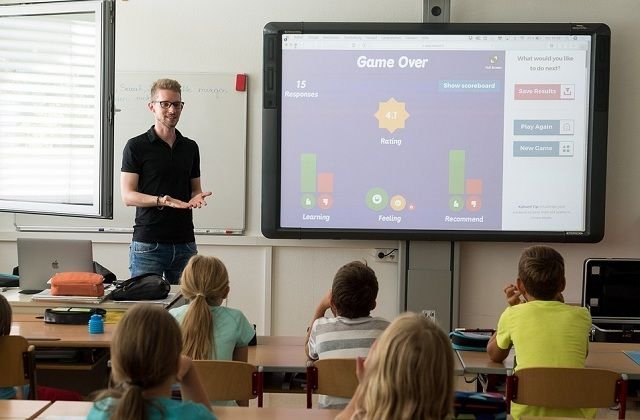
Education is most effective when students actively participate in the learning process. While traditional teaching methods have helped generations of learners develop essential knowledge, modern classrooms are increasingly exploring approaches that encourage curiosity, creativity, and collaboration. As educational needs continue to change, teachers are looking for ways to make lessons more interactive and meaningful.
Student engagement plays an important role in academic development. When learners feel interested in their subjects and understand the purpose of classroom activities, they are more likely to participate, ask questions, and develop a deeper understanding of new concepts.
Modern teaching methods offer several opportunities to improve classroom experiences while helping students develop the skills needed for academic and professional success.
Understanding the Importance of Student Engagement
Student engagement refers to the attention, participation, interest, and effort learners bring to educational activities.
Engaged students are more likely to participate in discussions, complete assignments, explore unfamiliar ideas, and seek additional information when they encounter challenging topics.
Engagement can involve different dimensions. Behavioral engagement includes attending classes and participating in activities. Emotional engagement relates to students’ interest, confidence, and sense of belonging. Cognitive engagement involves investing effort in understanding complex ideas and solving problems.
Teachers who recognize these different dimensions can create learning environments that respond more effectively to students’ needs.
Rather than relying exclusively on lectures and examinations, modern educational approaches often combine different activities to encourage meaningful participation.
Encouraging Active Learning
Active learning is a teaching approach that requires students to participate directly in the learning process instead of simply receiving information.
Classroom discussions, problem-solving exercises, demonstrations, and collaborative assignments are common examples.
For instance, a science teacher might ask students to predict the outcome of an experiment before demonstrating the results. This encourages learners to think independently and compare their expectations with the evidence.
Similarly, students studying literature might discuss different interpretations of a story rather than focusing entirely on memorizing details.
Active learning can make lessons more engaging because students become participants in exploring ideas.
It also gives teachers opportunities to identify misunderstandings and provide additional explanations when necessary.
Making Lessons More Interactive With Technology
Technology provides teachers with additional tools for creating interactive classroom experiences.
Educational videos, digital quizzes, virtual simulations, and presentation software can help explain difficult subjects and encourage participation.
For example, geography teachers can use interactive maps to demonstrate how physical environments influence human settlement. Mathematics instructors may use digital visualizations to explain geometric relationships.
Online polling tools and classroom quizzes can also provide immediate feedback. Students can respond to questions during lessons and identify areas where they need further practice.
However, technology should support educational objectives rather than become the main focus of a lesson.
Teachers need to select tools that are appropriate for their subjects, students’ abilities, and available classroom resources.
Using Project-Based Learning
Project-based learning encourages students to investigate meaningful questions and develop practical solutions through structured projects.
Instead of studying every concept separately, learners apply their knowledge to complete tasks that connect academic subjects with real-world situations.
For example, students studying environmental science might develop a project examining waste management in their school or local community.
A business class could create a simple marketing plan for a fictional product, while engineering students might design and test a basic model.
These projects encourage students to conduct research, organize information, collaborate with classmates, and communicate their findings.
Project-based learning can also make academic subjects feel more relevant by demonstrating how classroom knowledge applies beyond examinations.
Supporting Different Learning Needs
Students have different academic strengths, interests, and learning preferences. A single teaching method may not work equally well for every learner.
Modern teaching approaches can provide more varied learning experiences through visual materials, practical demonstrations, written exercises, group discussions, and independent assignments.
For example, teachers can introduce a new scientific concept through a short explanation, demonstrate it visually, and then provide an activity that allows students to apply their understanding.
Differentiated instruction offers another way to respond to varying academic needs. Teachers may adjust the complexity of tasks, provide additional learning resources, or offer different ways for students to demonstrate their knowledge.
These strategies can help create more inclusive classrooms where learners receive appropriate support while working toward shared educational goals.
Promoting Collaboration and Teamwork
Collaboration is an important part of modern education because many academic and professional activities involve working with other people.
Group assignments, classroom debates, peer reviews, and collaborative research projects allow students to exchange ideas and learn from different perspectives.
When students work together, they must communicate clearly, divide responsibilities, and make decisions about how to complete shared tasks.
For example, a history class might organize a group presentation examining different aspects of a historical event. Each student could research one topic before combining the findings into a shared presentation.
These experiences help learners develop interpersonal abilities alongside academic knowledge.
Teachers can make collaborative activities more effective by establishing clear expectations and ensuring that every student has a meaningful role.
Encouraging Critical Thinking Through Discussion
Classroom discussions can help students develop analytical reasoning and become more confident when expressing ideas.
Instead of asking questions that require only memorized answers, teachers can introduce topics that encourage learners to explain their reasoning, compare alternatives, and examine evidence.
For example, a social studies teacher might ask students to discuss how urban development affects local communities.
Students could consider environmental, economic, and social perspectives before presenting their conclusions.
These discussions encourage learners to listen carefully, respond respectfully, and recognize that complex issues may involve different viewpoints.
Teachers play an important role in maintaining a supportive atmosphere where students feel comfortable asking questions and reconsidering their opinions.
Providing Timely Feedback
Feedback helps students understand their academic progress and identify opportunities for improvement.
Modern teaching methods often emphasize regular feedback rather than relying entirely on final examinations.
Short classroom assessments, peer reviews, practice exercises, and individual discussions can provide useful information about student understanding.
For example, after completing a writing assignment, students might receive feedback about the clarity of their arguments, organization, and use of evidence.
Specific suggestions are generally more useful than vague comments because they explain what learners can improve and how they might approach the next task.
Feedback should also recognize students’ progress and encourage them to continue developing their abilities.
Creating a Positive Classroom Environment
Student engagement is influenced not only by teaching methods but also by the overall classroom atmosphere.
Learners are more likely to participate when they feel respected, supported, and comfortable expressing their ideas.
Teachers can encourage this environment by establishing clear expectations, responding constructively to mistakes, and recognizing different perspectives.
Creating opportunities for student choice can also improve participation. Allowing learners to select project topics, choose research questions, or present information in different formats may help them connect academic activities with their interests.
A positive classroom environment does not mean removing academic challenges. Instead, it involves providing appropriate guidance so that students can approach difficult tasks with confidence.
Balancing Innovation With Traditional Teaching
Modern teaching methods offer many benefits, but traditional approaches still have an important place in education.
Direct instruction can be useful when introducing foundational concepts, explaining complicated procedures, or providing structured guidance.
Reading assignments, written exercises, and individual assessments can also help students develop essential academic habits.
The most effective teaching strategies often combine different methods according to the subject, learning objectives, and students’ needs.
For example, a teacher might begin a lesson with a short explanation, introduce an interactive activity, and finish with an individual reflection exercise.
This balanced approach allows students to receive clear instruction while also gaining opportunities to explore ideas independently.
Conclusion
Modern teaching methods can improve student engagement by encouraging active participation, supporting different learning needs, and connecting academic concepts with practical experiences.
Interactive technology, project-based learning, classroom discussions, and timely feedback provide teachers with valuable ways to make education more meaningful.
Leave a Reply