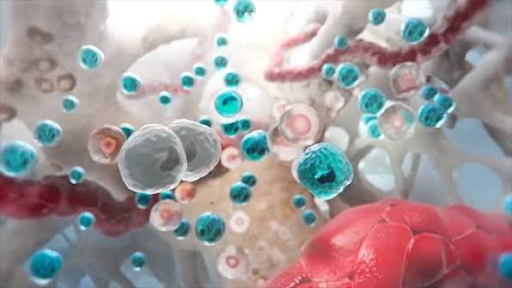
Healthcare communication has become increasingly visual in recent years. From explaining complex surgical procedures to showcasing how a new pharmaceutical treatment works, animated medical content has become one of the most effective ways to educate patients, train healthcare professionals, and promote medical innovations. As a result, medical animation companies have become essential partners for hospitals, pharmaceutical manufacturers, biotechnology firms, medical device companies, universities, and healthcare marketing agencies.
These specialized studios combine scientific expertise with advanced animation technology to create realistic 2D and 3D visual content. Their work helps simplify complicated medical concepts while improving audience understanding and engagement. Industry reports also note growing demand for medical animation driven by pharmaceutical marketing, patient education, and digital healthcare training.
What Are Medical Animation Companies?
Medical animation companies are creative studios that specialize in producing scientifically accurate animations for the healthcare and life sciences industries. Unlike general animation agencies, these companies work closely with medical professionals, researchers, and healthcare organizations to ensure every animation accurately represents anatomy, physiology, diseases, treatments, and medical technologies.
Their projects are commonly used by:
- Hospitals and healthcare providers
- Pharmaceutical companies
- Biotechnology firms
- Medical device manufacturers
- Universities
- Research institutions
- Healthcare marketing agencies
- Medical publishers
The primary goal is to transform technical medical information into engaging visual stories that are easy to understand.
Why Medical Animation Is Important
Medical topics often involve complicated terminology and biological processes that can be difficult for patients and even healthcare professionals to understand through text alone.
Animation solves this challenge by showing exactly how diseases develop, medications work, and surgical procedures are performed.
Some of the biggest advantages include:
- Simplifies complex medical concepts
- Improves patient understanding
- Enhances medical education
- Supports physician training
- Strengthens pharmaceutical marketing
- Improves healthcare presentations
- Increases audience engagement
Visual communication also helps people retain information more effectively than text-only explanations in many educational settings.
Services Offered by Medical Animation Companies
Professional studios usually offer a wide variety of visualization services depending on client requirements.
1. 3D Medical Animation
Three-dimensional animations create highly realistic visualizations of:
- Human anatomy
- Cellular biology
- Disease progression
- Surgical procedures
- Medical treatments
These animations are widely used in healthcare education and pharmaceutical marketing.
2. Mechanism of Action (MoA) Animation
MoA animations explain how medicines interact with the body at the molecular or cellular level.
Pharmaceutical companies often use these animations during:
- Product launches
- Medical conferences
- Sales presentations
- Physician education
3. Medical Device Animation
Medical device manufacturers rely on animation to demonstrate:
- Product functionality
- Device installation
- Clinical applications
- Safety features
- Competitive advantages
Animations provide a much clearer explanation than technical manuals.
4. Surgical Procedure Animation
Hospitals and healthcare organizations use surgical animations to educate both patients and medical professionals before complex procedures.
5. Patient Education Videos
Patient education animations explain:
- Medical conditions
- Treatment options
- Recovery processes
- Preventive healthcare
- Medication instructions
These videos help improve communication between doctors and patients.
6. Biotechnology Visualization
Biotech companies use animation to explain:
- Genetic engineering
- Laboratory research
- Vaccine development
- Molecular biology
- Scientific discoveries
Industries That Benefit
Medical animation supports a wide range of industries.
Healthcare
Hospitals use animations for patient education, physician training, and public awareness campaigns.
Pharmaceuticals
Drug manufacturers create animations explaining:
- Drug mechanisms
- Clinical research
- Disease pathways
- Product benefits
Biotechnology
Biotech firms simplify complex research findings for investors, researchers, and healthcare professionals.
Medical Devices
Manufacturers demonstrate how innovative equipment operates in real clinical settings.
Education
Medical schools and universities integrate animation into lectures, online courses, and laboratory instruction.
Features of High-Quality Medical Animation
The best medical animation companies share several important characteristics.
Scientific Accuracy
Animations should accurately represent anatomy, physiology, and clinical procedures while reflecting current medical knowledge.
High Visual Quality
Professional lighting, realistic textures, smooth movement, and detailed 3D modeling improve viewer understanding.
Clear Storytelling
Effective animations guide viewers through complex concepts using logical visual sequences.
Professional Voiceovers
Clear narration makes educational videos easier to follow.
Custom Branding
Organizations often request animations customized with their branding, colors, and messaging.
Top Medical Animation Providers
Many studios specialize in healthcare visualization, but a few consistently stand out because of their experience, scientific expertise, and portfolio quality.
Some widely recognized providers include:
- Random42
- XVIVO Scientific Animation
- Hybrid Medical Animation
- Visual Science
- VOKA
- Fusion Medical Animation
- Microverse Studios
- SciePro
- Ghost Medical
- AXS Studio
- medical animation companies
These companies are known for producing high-quality medical animations for healthcare, pharmaceutical, biotechnology, and medical device clients. Different studios often specialize in areas such as mechanism-of-action animations, patient education, AR/VR experiences, or scientific storytelling.
How to Choose the Right Company
Selecting the right animation partner requires careful planning.
Review Previous Work
A strong portfolio demonstrates experience with healthcare-related projects.
Evaluate Scientific Expertise
Choose companies that collaborate with physicians, researchers, or certified medical illustrators.
Consider Industry Experience
Healthcare animation differs significantly from general marketing animation.
Studios experienced in pharmaceuticals, biotechnology, and medical devices often deliver better results.
Understand the Production Process
Professional companies usually follow a structured workflow:
- Project consultation
- Script development
- Storyboarding
- Medical review
- Animation production
- Client revisions
- Final delivery
Discuss Budget
Pricing varies depending on:
- Animation length
- Complexity
- 2D or 3D production
- Voiceover requirements
- Scientific review
- Rendering quality
Premium scientific animations typically cost more because they require specialized expertise and rigorous review.
Emerging Trends
Medical animation continues evolving with new technologies.
Some important trends include:
- Artificial intelligence-assisted production
- Virtual Reality (VR)
- Augmented Reality (AR)
- Interactive healthcare education
- Real-time 3D rendering
- Personalized patient education
These innovations are improving healthcare training while creating more engaging educational experiences.
Benefits for Businesses
Working with experienced medical animation companies provides several long-term advantages.
Better Communication
Animations explain complex medical concepts quickly and clearly.
Higher Audience Engagement
Video content generally attracts more attention than written material.
Improved Marketing
Healthcare companies can present products more effectively using visual storytelling.
Stronger Training
Medical students and healthcare professionals learn procedures through realistic visual demonstrations.
Greater Brand Credibility
Professionally produced medical animations strengthen trust among patients, investors, healthcare professionals, and business partners.
Conclusion
Medical animation has become one of the most valuable communication tools in modern healthcare. Whether explaining a surgical procedure, demonstrating a medical device, illustrating a drug’s mechanism of action, or educating patients, high-quality animation transforms complex scientific information into engaging visual experiences..