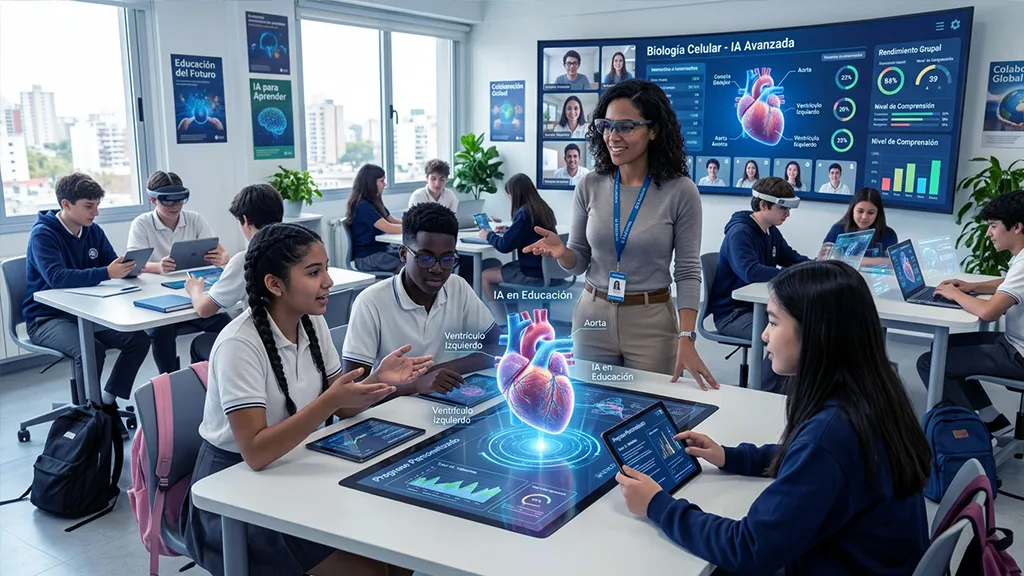
Artificial intelligence (AI) is becoming an important part of modern education. From personalized learning platforms to automated assessment tools, AI is changing how students learn and how teachers deliver lessons. As technology continues to develop, educational institutions are exploring new ways to make learning more flexible, efficient, and accessible.
The growing use of AI in education is not simply about introducing new software into classrooms. It is about creating learning environments that respond to students’ needs, support educators, and prepare learners for a world increasingly influenced by digital technology.
Personalized Learning Experiences
One of the most promising benefits of artificial intelligence is its ability to support personalized learning. Every student has a different learning style, pace, and set of academic strengths. Traditional classroom instruction may not always provide enough flexibility to address these differences.
AI-powered learning platforms can analyze students’ progress, identify areas where they need additional support, and recommend suitable exercises or learning materials. For example, a student who struggles with mathematics may receive extra practice on specific topics, while another learner who understands the material quickly can explore more advanced concepts.
This approach helps students progress at a comfortable pace. It can also encourage independent learning by giving students access to resources that match their individual needs.
Supporting Teachers in the Classroom
Teachers play a central role in education, and artificial intelligence can help them manage some of their everyday responsibilities. Preparing lessons, reviewing assignments, organizing learning materials, and tracking student progress require considerable time and effort.
AI-based tools can assist with tasks such as generating practice questions, organizing educational resources, and identifying patterns in student performance. These capabilities may allow teachers to spend more time explaining difficult concepts, supporting students individually, and creating engaging classroom activities.
However, technology cannot replace the human qualities that make effective teaching possible. Empathy, encouragement, creativity, and an understanding of students’ personal circumstances remain essential parts of the educational experience.
Making Education More Accessible
Access to quality education remains a challenge in many parts of the world. Some students face geographical barriers, limited learning resources, language differences, or physical disabilities that make traditional educational environments difficult to navigate.
Artificial intelligence can help reduce certain barriers. Translation tools, speech recognition, text-to-speech applications, and AI-powered tutoring systems can make educational content more accessible to a wider range of learners.
For example, students who are more comfortable studying in their native language may benefit from translation and language-support tools. Learners with visual or reading difficulties may find text-to-speech technology useful for understanding written materials.
Online educational platforms supported by AI can also provide learning opportunities to students who cannot regularly attend in-person classes. Although reliable internet access and suitable devices are still necessary, these technologies can expand the ways people participate in education.
Improving Student Engagement
Keeping students interested and motivated is an important part of successful learning. When educational materials feel disconnected from students’ interests or abilities, maintaining attention can become difficult.
AI-powered educational applications can introduce interactive exercises, adaptive quizzes, simulations, and immediate feedback. These features can make lessons more engaging by allowing students to actively participate instead of simply reading or listening.
For instance, a language-learning application may adjust its vocabulary exercises based on a student’s previous answers. A science platform might offer interactive simulations that help learners explore complex processes through visual examples.
These experiences can encourage students to practice regularly and recognize their progress. Nevertheless, educational technology works best when it supports thoughtful teaching methods rather than replacing meaningful classroom interaction.
Developing Skills for the Future Workforce
As artificial intelligence becomes more common across industries, students need to understand how digital technologies influence modern workplaces. Education systems have an opportunity to introduce learners to important skills such as digital literacy, data awareness, critical thinking, and responsible technology use.
Students do not necessarily need to become AI developers to benefit from understanding artificial intelligence. Learning how AI systems work, recognizing their limitations, and evaluating the information they produce can help prepare students for a wide variety of careers.
Universities and schools can incorporate technology-related projects into their programs. For example, students might explore how AI supports healthcare research, improves business operations, or helps scientists analyze environmental information.
Combining technical knowledge with communication, creativity, and problem-solving skills can help learners adapt to changing professional requirements.
Addressing Challenges and Ethical Concerns
Despite its potential advantages, artificial intelligence also creates important challenges for educational institutions. Privacy, accuracy, academic honesty, and equal access are among the issues that schools and universities must consider.
AI systems may process personal information about students, including their academic performance and learning activities. Educational institutions should therefore establish clear privacy policies and use tools that protect sensitive information.
Another concern is the possibility of inaccurate or misleading AI-generated content. Students need to understand that AI tools can make mistakes and that important information should be checked against reliable sources.
Academic integrity is equally important. While AI can support brainstorming, explanations, and writing practice, students should develop their own understanding and follow their institution’s rules regarding AI-assisted assignments.
Schools and universities can address these concerns by teaching responsible AI use and creating clear guidelines for both students and educators.
The Importance of Balancing Technology and Human Learning
Although artificial intelligence offers new possibilities, education is about more than delivering information. Students also develop social skills, confidence, curiosity, and the ability to work with others.
Classroom discussions, group projects, practical activities, and direct communication with teachers provide experiences that technology alone cannot fully reproduce. A balanced approach combines digital tools with human interaction and hands-on learning.
Educators should select AI applications according to their educational value rather than adopting technology simply because it is new. The most effective solutions are those that support learning objectives while respecting students’ individual needs.
Conclusion
Artificial intelligence is creating new opportunities for education by supporting personalized instruction, assisting teachers, improving accessibility, and helping students develop future-ready skills. Its influence is likely to grow as educational technology continues to evolve.
However, successful adoption requires careful planning, responsible data practices, and a commitment to maintaining meaningful human interaction. When used thoughtfully, AI can become a valuable educational resource that complements teachers and empowers students.
The future of education will depend not only on how advanced technology becomes but also on how effectively schools and universities use it to create inclusive, engaging, and meaningful learning experiences.
Leave a Reply